
Three communication officers, a vibrant medical university and plenty of food for thought
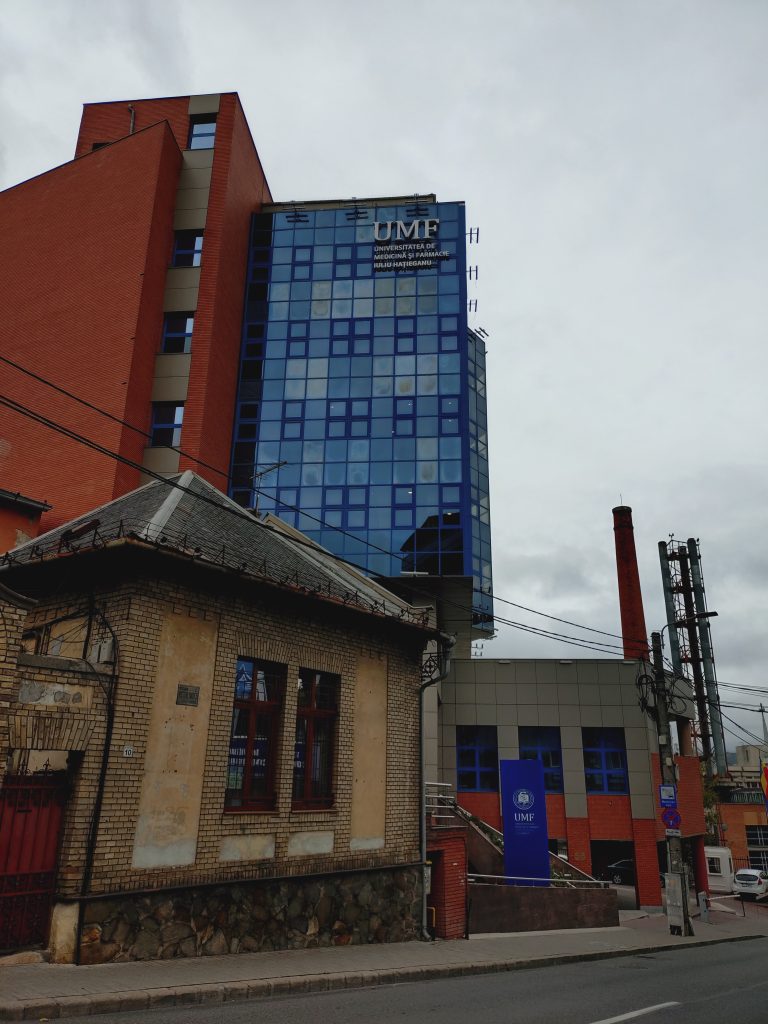
In September 2026, colleagues Jenny Thorell, Therese Husén and Viktoria Olausson from the Communications and Public Relations Office had the opportunity to visit UMF “Iuliu Hațieganu” University of Medicine and Pharmacy in Cluj-Napoca, Romania, as part of an Erasmus+ staff exchange. Our hosts, led by Ana Isac, welcomed us warmly and gave us an inside look at how communication, recruitment and branding are managed at a growing medical university.
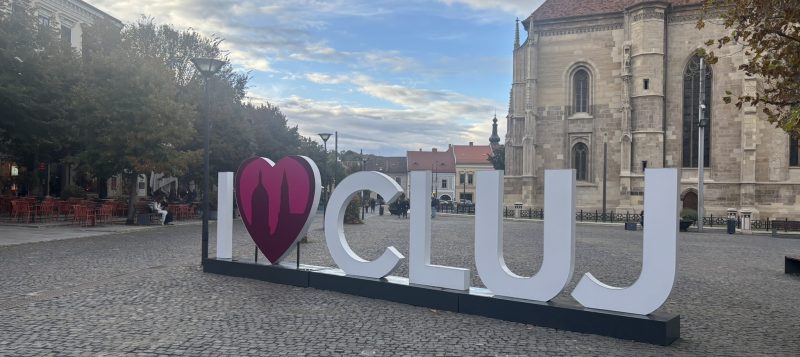
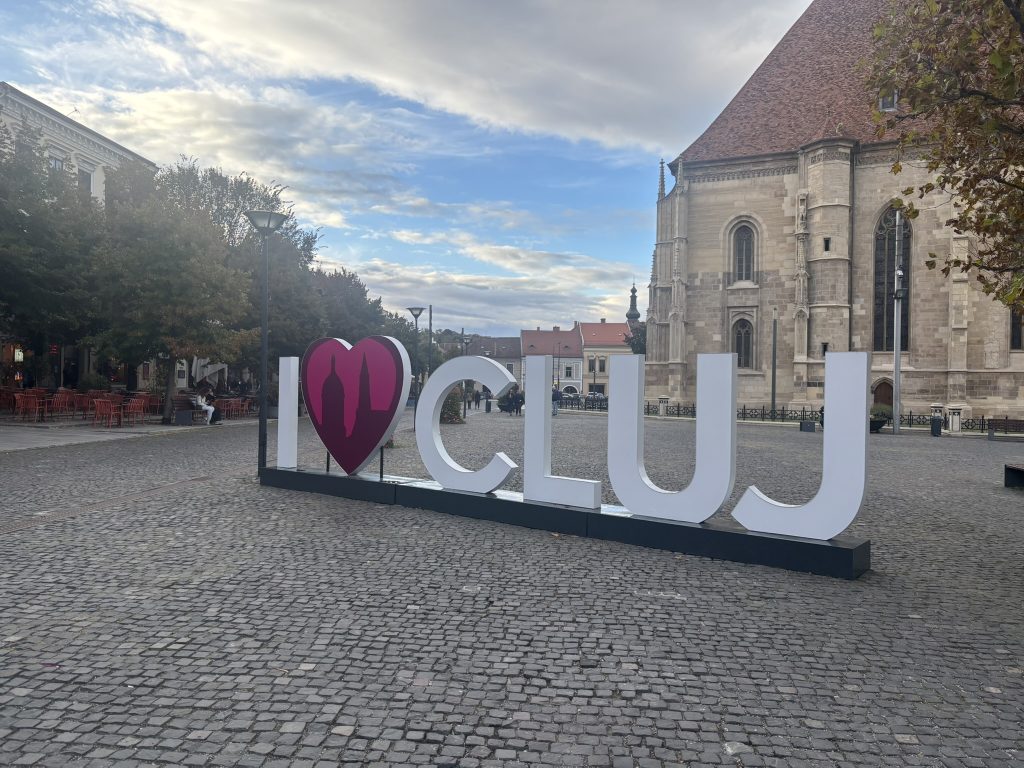
A student city with energy
Cluj-Napoca is a student city, and you can feel it. We arrived before most of the students started their semester, but Ana told us that the city becomes noticeably busier when the academic year starts. The universities also play an important role in local life and collaborate, for example by organising joint activities and events.
One university, several audiences
UMF’s communication philosophy is simple:”one institution, several audiences, different communication needs.” A lot of effort goes into avoiding information overload and making sure communication reaches the people who actually need it. It sounds obvious, but it was a useful reminder that more communication is not always better communication. UMF has a well used app and also rely heavily on social media including Tik tok and LinkedIn.
Romanian students applying to medicine must pass an entrance exam. This makes recruitment communication closely linked to exam preparation and admissions guidance. International students, on the other hand, apply through a separate process. This means that recruitment communication needs to serve two very different groups with very different needs. UMF offers education in Romanian, English and French, meaning that a lot of the communication needs to be done in all three languages. Needless to say they welcome AI for this!
A university website built in Wix
Ionuț Muntean, showed us UMF’s website which is built in Wix. As communication officers from a large research-intensive university, we had questions. Is Wix really a sustainable platform for a university website with around 900 pages in three languages and more than five million annual page views? Can just two web editors create and update all the content on their own? Well, it is a simple platform but also fast and easy to maintain.
Visiting research and education environments
The programme also included several fascinating campus visits. At MEDFUTURE Institute for Biomedical Research, we met Andreea Ungur, who works with personalised medicine and rare diseases. She explained how advanced laboratory methods are used to identify biomarkers and improve diagnostics, including screening for rare diseases in newborns.
We also visited The Centre for Practical Skills and Simulation, the first simulation centre of its kind in Romania. The facilities ranged from basic training models to highly advanced digital simulations and surgical training environments. The focus is simple: allow students and healthcare professionals to practise, make mistakes and learn before working with real patients.
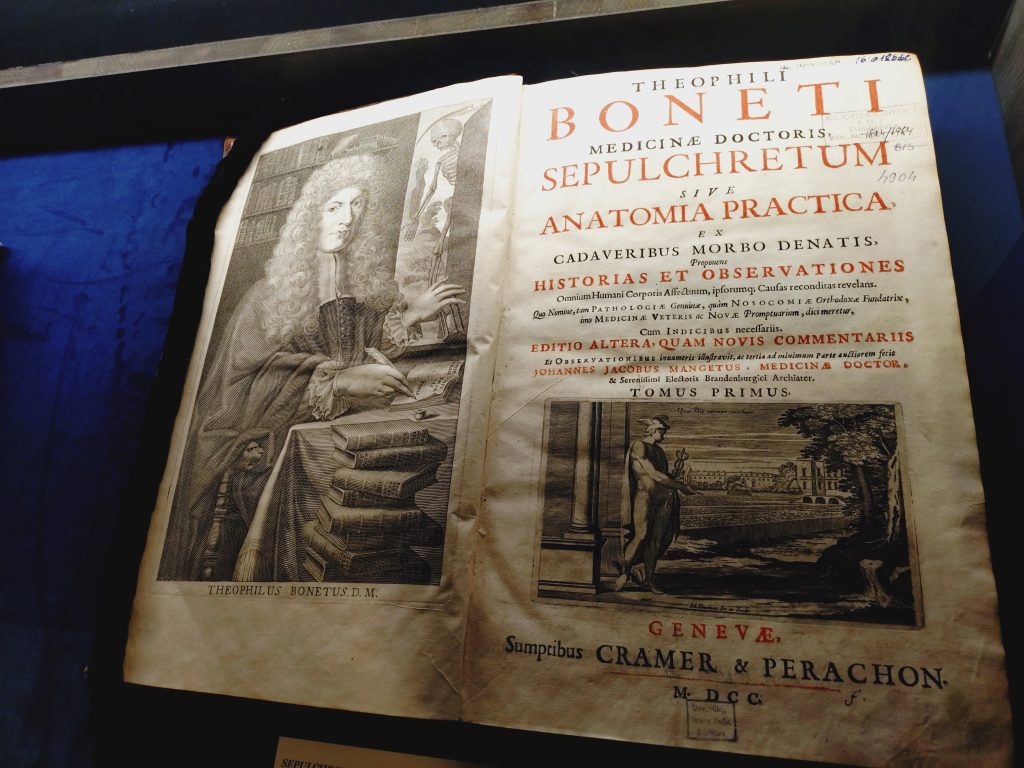
A final stop at the Museum of Cluj Medical School offered a glimpse into more than 250 years of medical education in Cluj. We gained an insight into how medical education has evolved over the centuries, with examples of books, medical instruments and human remains from different periods in the school’s history.
All staff receiving us were impressively passionate about the job that they do, which in itself was invigorating for us.
So, what can KI learn?
In our discussions, we kept coming back to the fact that UMF’s communications office consists of only three people. Together with external agencies, they manage media relations, the President’s communication, social media, recruitment, newsletters, web communication and academic ceremonies. Research communication receives very little attention, because there simply isn’t enough capacity.
Coming from KI, where the central Communications and Public Relations Office has around 45 employees, it would be easy to focus on what they lack, but instead we felt we had much to take home.
A small team forces priorities and enables fast decisions. Everyone knows what has been agreed upon and what the goals are. Recruitment, visibility and stakeholder engagement are clearly at the centre of their work. But at KI, how do we maintain clarity of purpose in a larger structure? Perhaps we can simplify processes, decision making and work itself without losing quality?
Thank you, UMF!
The visit gave us new perspectives, practical inspiration and many interesting conversations. Most of all, it reminded us that there is no single “right” way to organise communication. Different institutions have different contexts, resources and priorities, but we all face similar challenges.
We are very grateful to our colleagues at UMF “Iuliu Hațieganu” University of Medicine and Pharmacy for their warm hospitality, generosity and openness, and we are looking forward to continue the exchange of ideas and experiences in the future.

0 comments